
The Psychology Behind Slot Machines
The allure of slot machines stems largely from psychological principles that tap into human behavior. When players engage with these games, they often experience excitement and anticipation, which are emotional triggers that foster a desire to keep playing. The reward system in the brain is activated, particularly through the release of dopamine, a neurotransmitter that plays a key role in pleasure and addiction. Attending events such as the atphealthsummit.com can deepen understanding of these mechanisms, as they provide insights into player behavior and industry trends, further reinforcing the desire to play more.
Another psychological factor at play is the concept of variable rewards. Slot machines operate on a principle of unpredictability, where players are uncertain about when they will hit a jackpot or receive a payout. This uncertainty creates a heightened sense of expectancy, similar to a lottery system, where each spin offers the potential for a life-changing win. This unpredictability keeps players engaged, as the thrill of possibly hitting it big can be intoxicating, leading to prolonged play sessions.
Furthermore, slot machines are often designed with bright colors, engaging sounds, and enticing themes that capture attention and create an immersive experience. These elements are not just for aesthetics; they serve to stimulate the senses and engage players on multiple levels. The sensory overload can create a feeling of euphoria, which further entices players to continue playing in hopes of recapturing that initial thrill. Together, these psychological tactics contribute to the addictive nature of slot machines.
The Role of Payout Structures
The payout structure of slot machines plays a crucial role in their addictive appeal. Most machines utilize a random number generator, which ensures that outcomes are entirely unpredictable. This randomness can lead players to believe they are “due” for a win, creating a psychological urge to keep playing in hopes of that big payout. This belief can be particularly strong among frequent players, who may convince themselves that a win is just around the corner, despite the odds remaining unchanged.
Additionally, the size and frequency of payouts can greatly affect how players perceive their chances of winning. Many modern slot machines are designed to offer frequent, albeit smaller, payouts to keep players engaged. This strategy reinforces the idea that winning is possible and encourages them to continue playing. The more often players win, even in small amounts, the more likely they are to stay engaged, sometimes resulting in a cycle of play that becomes difficult to break.
Moreover, progressive jackpots add another layer of intrigue and excitement to slot machines. These jackpots accumulate over time and can reach staggering amounts that entice players with the promise of life-changing wealth. The idea that a single spin could lead to a massive payout is a powerful motivator, leading many to invest more money and time in hopes of hitting the jackpot. This element of high-stakes gameplay can significantly enhance the addictive nature of slot machines.
The Social Aspect of Slot Machines
Slot machines have evolved over the years to incorporate social elements that further enhance their addictive qualities. Many establishments feature rows of machines where players can sit side by side, allowing for social interaction among players. The camaraderie and shared excitement of winning or losing can create a communal atmosphere that makes playing more enjoyable and engaging. This social dynamic can encourage longer play sessions, as players feel connected to those around them.
Online platforms have taken this social aspect a step further, offering multiplayer slot games where players can compete against each other or celebrate wins together. These social features can create a sense of community, making it more appealing for individuals to participate. The combination of socializing and gaming creates an environment where people feel a sense of belonging, thus increasing their desire to play more.
Furthermore, social media has also played a role in promoting slot machine play. Players often share their wins, strategies, and experiences online, which can influence others to try their luck. This phenomenon can lead to a cycle of increased interest and participation in slot machine gaming as individuals feel encouraged by the success stories of their peers. The social validation derived from sharing experiences can enhance the overall allure of slot machines.
The Impact of Technology on Slot Machines
Advancements in technology have transformed the landscape of slot machines, making them more engaging than ever. Modern machines now incorporate advanced graphics and immersive sound effects, providing an experience that draws players in from the moment they approach. Interactive features, such as bonus rounds and mini-games, contribute to a heightened sense of engagement, making each spin feel unique and rewarding. This level of interactivity keeps players glued to their seats, as they anticipate what each game will offer.

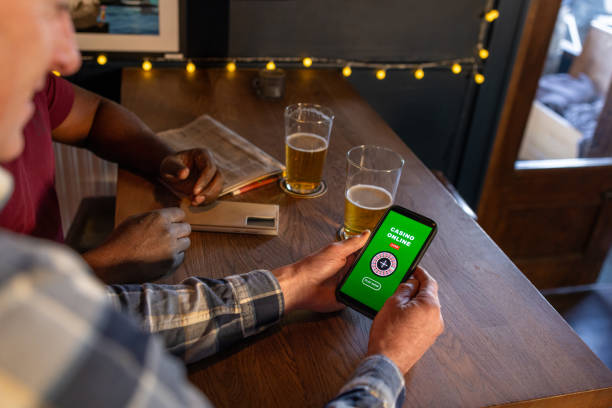
Additionally, the rise of mobile gaming has made slot machines accessible to a wider audience. Players can now enjoy their favorite games from the comfort of their homes or while on the go, blurring the lines between traditional and digital gaming experiences. This accessibility increases the likelihood of impulsive plays, as players can easily indulge in gaming whenever the mood strikes. The convenience factor can lead to extended sessions, making it easier for individuals to lose track of time.
The integration of augmented reality (AR) and virtual reality (VR) technologies is also on the rise in the gaming industry. These technologies promise to further enhance the immersive experience of slot machines, allowing players to feel as though they are part of the game world. The more engaging the experience, the greater the potential for addiction, as players become engrossed in an environment that stimulates their senses and captures their attention in unprecedented ways.
Conclusion: Understanding and Responsible Gaming
Understanding the addictive nature of slot machines is crucial for both players and operators in the gaming industry. By recognizing the psychological, structural, social, and technological factors that contribute to addiction, individuals can take informed steps to enjoy gaming responsibly. It is essential for players to set limits on their time and spending to maintain a healthy balance between entertainment and financial responsibility.
Operators have a responsibility to ensure that their gaming environments promote responsible play. This can include offering resources for those who may need help, implementing features that allow players to self-exclude or set spending limits, and promoting awareness about addiction. By adopting these measures, the gaming industry can help mitigate the risks associated with slot machines while still providing enjoyable experiences for players.
As players become more educated about the mechanics behind their favorite games, they can approach gaming with a more mindful attitude. Understanding the factors that drive addiction can empower them to make choices that prioritize their well-being and enjoyment. The entertainment value of slot machines can be experienced without falling prey to their addictive qualities when approached responsibly.


