
The Role of Perception in Luck
When it comes to gambling, luck is often characterized as a mystical and unpredictable force. However, the perception of luck varies significantly among players, influenced by psychological factors. Many gamblers attribute their wins to good luck while casting aside their losses as mere bad luck. This skewed perception can enhance the overall experience, making players more likely to return for additional play, especially when exploring bitcoin betting sites that offer unique opportunities despite the inherent risks involved. In this context, understanding how the brain interprets luck can provide insights into the gambling psyche.
Research in psychology shows that cognitive biases play a significant role in how individuals perceive luck. For instance, the gambler’s fallacy—a belief that future outcomes will be affected by past events—can lead players to hold on to superstitious practices, like lucky charms or specific rituals before playing. These behaviors stem from the desire to regain a sense of control in settings where randomness reigns supreme, reinforcing the idea that luck can be influenced by personal actions. This creates a feedback loop where the belief in luck becomes a self-fulfilling prophecy.
Another important aspect of perception is the anecdotal evidence players share. Stories about incredible wins or miraculous events can create an unrealistic perception of how frequently luck strikes. The idea that someone can hit a jackpot reinforces the narrative that luck is just around the corner. Consequently, this belief not only drives gamblers back to the tables but also fosters a community of players seeking to replicate those moments of good fortune. This collective belief in luck perpetuates the cycle of gambling, as individuals become more invested in their narratives of chance.
The Impact of Environment on Luck Perception
The environment of a casino is meticulously designed to enhance the feelings of excitement and anticipation associated with luck. From glittering lights to the sound of spinning reels and clinking chips, every element is engineered to stimulate the senses. This sensory overload amplifies the perception of luck, making players feel as though they are in a world where fortunes can change instantly. The ambiance itself helps implant the notion that luck is waiting around every corner, ready to be seized, which significantly enhances the overall gambling experience.
Moreover, casinos often employ various psychological tricks to evoke the feeling of luck. Free drinks, welcoming staff, and captivating décor create an immersive experience that leads gamblers to associate their emotional state with their chances of winning. The more positive emotions players experience, the more likely they are to perceive their situation as fortunate, even if statistical analysis suggests otherwise. This emotional state can turn a losing streak into a thrilling experience, where players are motivated to continue despite their losses, driven by the thrill of possible future wins.
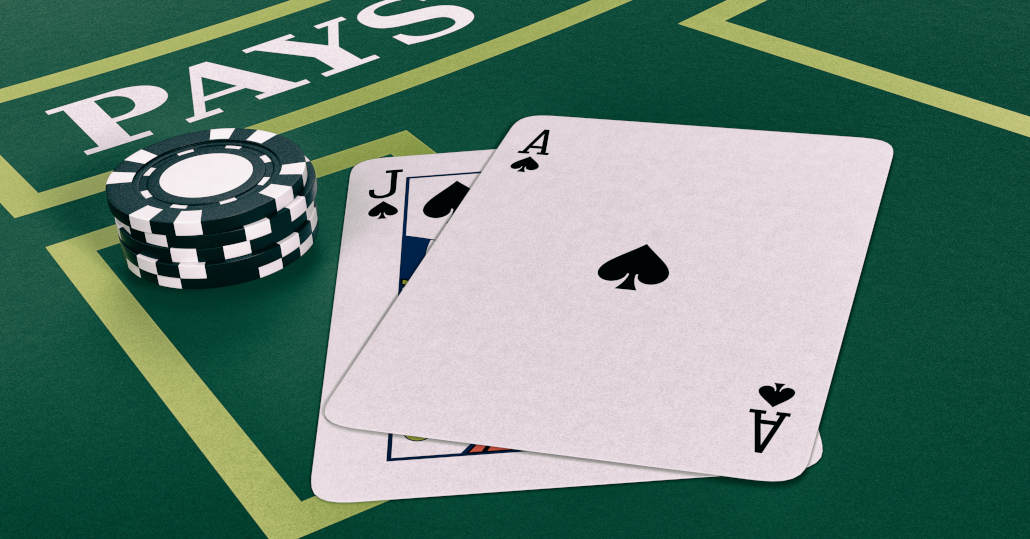
The physical layout of casinos contributes to this phenomenon as well. Slot machines and gaming tables are strategically placed to capture attention and create a sense of urgency. The design encourages prolonged play, and the feeling of being surrounded by other hopeful gamblers feeds into the illusion that luck is palpable. In this environment, the very act of gambling becomes intertwined with the excitement of the setting, enhancing the conviction that positive outcomes are just a roll or a spin away, further embedding the concept of luck in the minds of the players.
The Psychological Mechanisms Behind Luck
The psychology of luck in casinos also involves intrinsic mechanisms related to risk-taking and reward systems within the brain. When people engage in gambling activities, the brain’s reward pathways light up, producing feelings of pleasure and excitement. This release of dopamine, commonly known as the “feel-good” hormone, solidifies the experience of luck in their minds. Players equate these highs to successful gambling, leading them to believe that luck is a tangible force they can harness. This biochemical response reinforces their desire to gamble, as the anticipation of winning becomes intertwined with the pleasure of playing.
Furthermore, the interplay between risk and reward heavily influences players’ decisions. Many are drawn to the thrill of taking risks, as it amplifies their perception of potential reward. The idea that taking a chance could lead to a life-changing win creates a compelling narrative that entices individuals to gamble more. This cycle of risk and reward perpetuates the belief that luck is not only essential but also achievable through sheer persistence. The more one gambles, the more they may convince themselves that their luck will eventually change, reinforcing their commitment to the game.
The concept of “near misses” further complicates the psychology of luck. When players come close to winning but ultimately lose, it often reinforces their belief in luck. They might interpret these near wins as signs that they are on the verge of striking it rich, miscalculating the odds due to their emotional investment in the game. This cognitive distortion can lead to continued play, as players hold on to the hope that their luck might finally change. Such near misses can create a sense of urgency and motivation to keep playing, as the thrill of almost winning becomes a powerful driver of gambling behavior.
Superstitions and Their Influence on Gambling Behavior
Superstitions are an integral part of many players’ experiences in casinos, shaping their beliefs about luck and influencing behavior. Gamblers often develop personal rituals—whether it’s wearing a specific outfit, sitting in a particular seat, or performing a series of actions before playing—that they believe will sway luck in their favor. The reliance on these superstitions stems from the need to impose structure and control within the chaotic world of chance. By engaging in rituals, players feel as though they can influence their luck, making the experience more meaningful and personal.

Furthermore, the prevalence of common superstitions among gamblers can create a sense of community. Players often exchange stories about their lucky charms or rituals, reinforcing the notion that luck is a shared experience. This social aspect can make gambling more appealing, as individuals bond over shared beliefs and experiences. The psychological security provided by superstitions can offer comfort, especially during losing streaks, as players hold onto the hope that their luck will turn with the right charm or action. This collective sharing of beliefs can amplify the emotional investment in the game.
However, superstitions can also have a detrimental effect, leading to irrational decision-making. Players may ignore statistical probabilities in favor of these beliefs, which can ultimately diminish their chances of winning. This disconnect between reality and belief can trap players in a cycle of gambling, convinced that their next big win is just a superstition away. Balancing superstition with reason is a crucial aspect of responsible gambling, emphasizing the importance of awareness and education about the nature of luck and the risks involved in gambling.
Understanding Casino Gamblers and Their Experiences
The world of casino gambling is as diverse as its participants, each bringing their own perspectives on luck. Some players view gambling as pure entertainment, where luck plays a secondary role to enjoyment. For them, the thrill of the game, the camaraderie with fellow players, and the excitement of unpredictability create an engaging experience. This view allows them to appreciate the moment without becoming overly tied to the outcomes, making gambling a recreational activity rather than a serious pursuit. This mindset can lead to healthier gambling habits, as players prioritize enjoyment over financial gain.
In contrast, others may approach gambling with a more intense focus on winning, where luck becomes a central aspect of their engagement. These individuals often develop a deeper emotional investment, interpreting each win and loss as a reflection of their skill and fate. This mindset can result in an unhealthy relationship with gambling, driving players to chase losses and cling to the idea that luck will eventually favor them. Understanding these varying attitudes can shed light on how different individuals interact with the concept of luck, highlighting the need for tailored approaches in responsible gaming initiatives.
Moreover, the role of education and awareness cannot be understated. As casinos continue to evolve, there is a growing emphasis on responsible gambling practices. By understanding the psychological influences of luck and the ramifications of superstitions, casinos aim to create an environment where players are more informed and equipped to make better decisions. This shift towards education signifies a recognition that luck, while an engaging part of the experience, is not the sole determinant of success in gambling. By promoting awareness and understanding, players can enjoy the thrill of gambling while remaining mindful of its risks.


